

Alternatives to Autheo
Autheo is a Layer-0 operating system with an integrated Layer-1 blockchain that unifies identity, compute, storage, and AI for scalable Web3.
Explore 7 alternatives to Autheo. Compare features, pricing, and find the best fit for your needs.
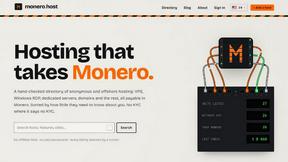
Monero.host
Rent a server without handing over your ID: a hand-checked directory of hosting providers that take Monero and ask for no KYC.

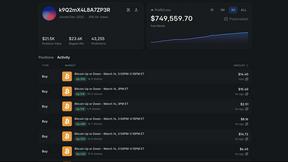
Polymarket Trading Bot For Crypto
A Polymarket trading bot that automates a proven arbitrage and directional strategy on 5-15 minute crypto markets, with full source code access.


Bitcoin Loans Market
Bitcoin Loans Market simplifies your search for Bitcoin-backed loans by providing transparent comparisons of key terms and features.

Perpfinder
Perpfinder delivers a comprehensive live dashboard of crypto perpetual data, tracking volume, fees, and open interest across 85 exchanges.
About Autheo Alternatives
Autheo is a Layer-0 Operating System with an integrated Layer-1 blockchain, designed to unify digital identity, compute, storage, developer tooling, and artificial intelligence capabilities within a single interoperable environment. It operates within the broader Blockchain and Crypto category, specifically targeting the intersection of decentralized infrastructure and AI-driven applications. By combining the functions of an operating system with a blockchain network, Autheo aims to serve as a foundational layer for what it describes as a connected, intelligent web. Users commonly seek alternatives to Autheo for several practical reasons. These may include concerns about pricing structures, the maturity of the platform, the specific requirements of their development stack, or the need for a simpler or more specialized solution. Some users may find that Autheo’s comprehensive, all-in-one approach is either too complex for their current project or lacks the specific integrations or community support they require. When evaluating an alternative, it is essential to consider factors such as the ease of integration with existing systems, the scalability of the network, the quality of developer documentation, and the specific balance between decentralization and performance that best fits your project’s goals.
FAQs about Autheo Alternatives
What is Autheo?
Autheo is a Layer-0 Operating System with an integrated Layer-1 blockchain that unifies identity, compute, storage, developer tooling, and AI capabilities in one interoperable environment. It is designed to serve as the foundation for a connected, intelligent web by combining the functionality of an operating system with a decentralized blockchain network. This architecture allows for seamless interaction between digital core components and artificial intelligence.
Who is Autheo for?
Autheo is primarily aimed at developers, blockchain architects, and organizations building decentralized applications that require integrated AI, identity management, and storage solutions. It is also suited for enterprises and innovators looking to create a unified digital core that leverages both blockchain and artificial intelligence. The platform is designed for those who need a comprehensive, interoperable environment rather than piecing together separate protocols.
What are the main features of Autheo?
Autheo provides a unified environment that integrates identity management, compute resources, storage, developer tooling, and AI capabilities. It operates as a Layer-0 operating system with an embedded Layer-1 blockchain, enabling interoperability between these components. This design allows developers to build and deploy applications that can manage digital identities, execute computations, store data, and utilize AI within a single, cohesive framework.
Is Autheo secure?
Autheo leverages the security properties inherent to its Layer-1 blockchain infrastructure, which typically includes consensus mechanisms and cryptographic validation to protect network integrity. The platform’s integrated design aims to reduce attack surfaces by centralizing core functions like identity and storage within a unified environment. As with any blockchain system, its security also depends on the robustness of its protocol implementation and the active participation of its network validators.